
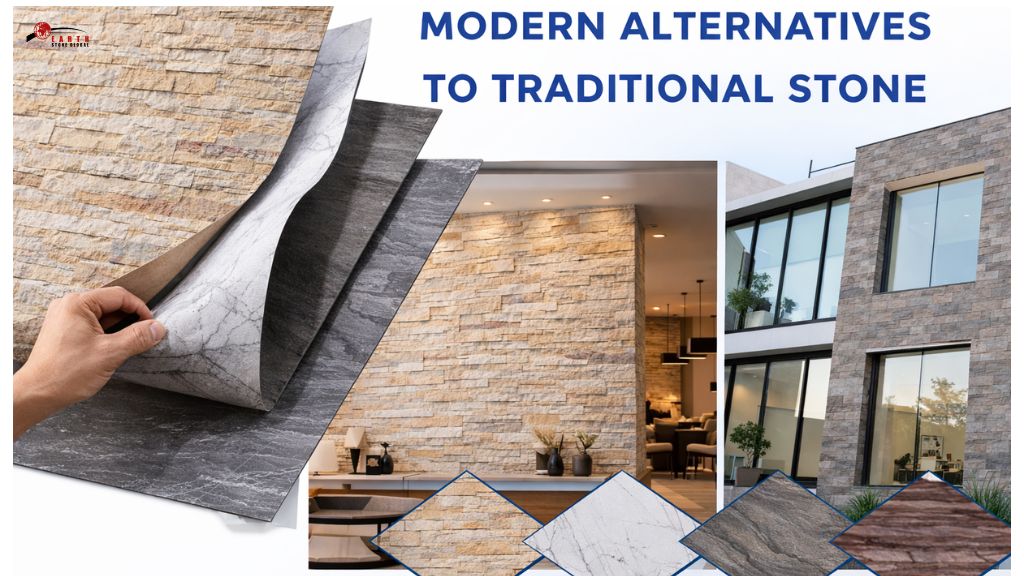
For centuries, stone has symbolized strength, luxury, and timeless architecture. From ancient monuments to grand palaces, it shaped buildings that still stand proudly today. However, as modern cities grow faster and construction demands change, traditional stone is no longer always the most practical option. Its heavy weight, high transportation costs, and complex installation have pushed architects to explore smarter alternatives. Today’s design world is embracing innovative materials that capture the elegance of natural stone while offering flexibility, efficiency, and modern performance. This shift is transforming how architects design spaces, making contemporary stone alternatives an increasingly popular choice for modern construction.
Not every new building material catches on fast. Limestone veneer sheets in India, though, seem to stick around. Instead of heavy stone blocks, these thin layers bring lightness without losing charm. Imagine the look of old coastal cliffs now fitting neatly on city walls. They resist wear better than expected. Installation takes less time compared to traditional methods. Builders find them easier to handle. One such innovation gaining popularity is the limestone veneer sheet in India, which provides the same sophisticated aesthetic of natural limestone but with modern advantages.
Nowhere is change clearer than in how buildings take shape, thanks to new methods in making things. Thin slices of real stone quietly shift what’s possible, nudging designs toward lighter, bolder forms. A firm named Earth Stone Global slips into this space – not replacing old looks, but reworking them with strength and precision. Their versions of natural stone hold up under today’s demands without losing earthy texture. What emerges isn’t a break from tradition, just its quiet evolution.
In this article, we explore why architects prefer modern alternatives to traditional stone and how new materials are redefining design possibilities.
The Limits of Old Stone in Today’s Buildings
Traditional stone has undeniable beauty and durability, but it also comes with several challenges that make it less practical for modern construction.
· Heavy Weight
Heavy natural stone blocks make installation tough on structures. Because of their load, buildings require sturdier frames. This added demand pushes construction expenses higher.
In contrast, a limestone veneer sheet in India provides the same natural look with significantly less weight, making it easier to install on walls, facades, and interior surfaces without requiring heavy structural support.
· Complex Installation Process
Traditional stone installation requires skilled labor, heavy machinery, and a considerable amount of time. Cutting, shaping, and fixing stone blocks can slow down construction timelines.
Fine layers of modern veneer make things smoother, so architects get that stony look fast – no fuss. Efficient results come through thin coverings designed for speed.
· High Transportation Costs
Heavy stone blocks cost a lot to move from quarry to job site, plus they’re tough to manage along the way. Shifting to lighter materials cuts moving expenses while making on-site work smoother.
· Limited Design Flexibility
Bending old-style rock? Not so easy – creativity hits a wall. Curves twist through modern buildings, yet classic stonework just cannot follow. Shapes get bold now, textures surprise, patterns tangle… ancient methods lag behind.
Here’s when options such as thin wood layers start making real sense.
Rise of New Stone Materials
Modern construction materials are designed to combine aesthetics with performance. Thin stone veneers and sheets are among the most revolutionary innovations in architectural surfaces.
Fine layers come from careful methods, keeping the stone’s feel even as they grow lighter. Thinness appears without losing what makes it rock.
Now comes the look of real stone, minus the heavy lifting. The growing popularity of limestone veneer sheet in India reflects this shift toward lightweight, versatile, and efficient materials.
Lightweight Options for Today’s Buildings
Heavy materials slow work down – architects pick newer stone options because they’re easier to move.
Thin limestone sheets are significantly lighter than solid stone blocks, making them suitable for a wide variety of applications such as:
- Interior wall cladding
- Exterior building facades
- Ceiling panels
- Furniture surfaces
- Decorative partitions
Fewer pounds mean less strain on a building’s frame, opening space for bold ideas in architecture. While lightness shifts the balance, fresh shapes start to emerge across city skylines.
This flexibility is one reason why many designers choose solutions offered by the best stone veneers manufacturer in India when working on modern architectural projects.
Enhanced Design Flexibility
Fresh designs today lean on imagination, new ideas, and then surprise through bold looks. A building might twist instead of standing straight, just because it can.
Traditional stone materials limit design freedom because they are difficult to shape or install on complex surfaces. Modern stone veneer sheets, however, offer greater flexibility.
Architects can now design:
- Curved walls and surfaces
- Seamless textured panels
- Decorative feature walls
- Modern facades with natural textures
Bold choices open fresh paths when creativity meets the quiet strength of stone.
From Earth Stone Global onward, top providers deliver stone options that blend sleek design with everyday function. While creating refined looks, materials still meet real-world demands through smart engineering behind the scenes.
Sustainable and Eco-Friendly Building
Nowadays, buildings lean toward lasting longer without harming nature. Designers pick stuff that behaves well over time instead of hurting the planet.
Thin stone veneers support sustainable construction in several ways.
· Reduced Resource Consumption
Fewer stones get pulled from the earth when veneer sheets replace bulky slabs. That shift slows down how fast we empty quarries. Less material taken means landscapes stay more intact. What once required thick cuts now works with thin layers. The result? A smaller dent in nature’s supply.
· Lower Transportation Emissions
Fuel needs shrink when cargo weighs less, so lighter stuff cuts down on pollution while moving goods.
· Minimal Construction Waste
Out in today’s factories, stone sheets come out exact – less mess when putting them up. Precision cuts mean fewer scraps left behind after fitting.
These sustainability benefits make materials like limestone veneer sheet in India an environmentally responsible choice for modern building projects.
Versatility Across Architecture Uses
One thing that stands out about today’s stone substitutes is how many ways they fit into building projects. Whether it’s outside walls or room interiors, these options adapt easily.
· Residential Spaces
Stone veneer sheets show up in lots of homes, chosen by owners and decorators alike. Feature walls get a boost from them, while kitchens gain character through backsplashes. Decorative panels also take shape using these thin layers of rock.
· Commercial Buildings
Hotels, offices, and retail spaces frequently incorporate modern stone surfaces to enhance aesthetics while maintaining durability.
· Hospitality and Luxury Interiors
Beautiful rooms need materials that look good while working well every day. Because they are light yet strong, thin limestone panels fit seamlessly into elegant areas.
The best limestone sheet manufacturer in India fit many roles, which is why architects often pick them for today’s buildings.
Cost-Efficient Design Maintains Visual Appeal
Fancy rock setups often cost a lot because of pricey materials, long-distance hauling, skilled workers needed, and tricky putting-together steps.
Thin layers today copy real stone well, yet cost much less. These panels keep the true appearance without the high price tag.
Key Cost Advantages
- Shipping stuff around gets cheaper when materials cost less to move
- Reduced labor requirements
- Faster installation timelines
- Few supports are required to hold things together
These factors make modern stone sheets an economical solution for large-scale architectural projects.
Architects working with trusted suppliers like Earth Stone Global can achieve premium design outcomes while optimizing construction budgets.
Responding to Today’s Architectural Needs
Built environments shift as priorities tilt toward resourcefulness, lasting impact, and lighter footprints – creativity weaves through each new structure. Efficiency matters more now, driven by real needs rather than trends; fresh thinking reshapes how spaces come to life.
Modern materials must meet several key requirements:
- Lightweight construction
- Easy installation
- Environmental sustainability
- Design flexibility
- Long-term durability
Stone veneer sheets successfully meet these demands, making them a preferred material for modern architects.
With growing demand for limestone veneer sheet in India, designers are increasingly turning toward advanced stone solutions that combine natural beauty with modern functionality.
Conclusion
Fresh ideas shape how buildings go up these days, so what we build with has to keep pace. Stone still tells stories from the past, yet new options now catch designers’ eyes more often. Instead of sticking to old norms, many reach for solutions that feel current, lighter, sometimes even surprising. What once stood unchallenged now shares space with clever substitutes.
Slim stone layers bring nature’s look without the heavy weight. Because they weigh less, putting them up takes less time. These pieces fit many styles while being kinder to the planet. Lightness meets long-lasting appeal in unexpected ways.
Fueled by fresh needs in design, stone-inspired sheets now shape walls inside and out across India. A shift unfolds quietly – natural looks without the weight, thanks to thin limestone facings that stick where full blocks once did. Craft meets cleverness here, not through force but finesse. Spaces breathe differently when cladding swaps bulk for grace. What used to crack under load now bends to vision.
Fresh finishes rise when trusted partners supply the stone – Earth Stone Global stands firm here. Projects move smarter, look sharper, once solid materials find their place. Stronger outcomes emerge, not by chance, through careful sourcing. Beauty walks hand in hand with lasting function, where detail meets demand.
Frequently Asked Questions:
1: Why are architects choosing modern alternatives to traditional stone?
Architects are choosing modern alternatives because they are lightweight, easier to install, and more flexible compared to traditional stone slabs. These materials help reduce structural load while still maintaining the natural stone appearance.
2: What are some popular modern alternatives to traditional stone?
Some popular options include stone veneer sheets, engineered stone panels, and flexible natural stone surfaces. These solutions provide the aesthetic appeal of natural stone with improved practicality for modern construction.
3: How do modern stone alternatives improve construction efficiency?
Modern materials are easier to transport, cut, and install. This reduces installation time, labor costs, and overall project complexity, making them ideal for large architectural projects.
4: Are modern stone veneer materials durable?
Yes, high-quality stone veneer sheets are designed to be strong, durable, and resistant to cracking or weather conditions. They provide long-lasting performance while maintaining the natural stone texture.
5: Where can architects find quality limestone veneer sheets for projects?
Many designers and builders source materials from reliable suppliers offering limestone veneer sheet in India, ensuring consistent quality, natural aesthetics, and suitable options for modern architectural designs.