
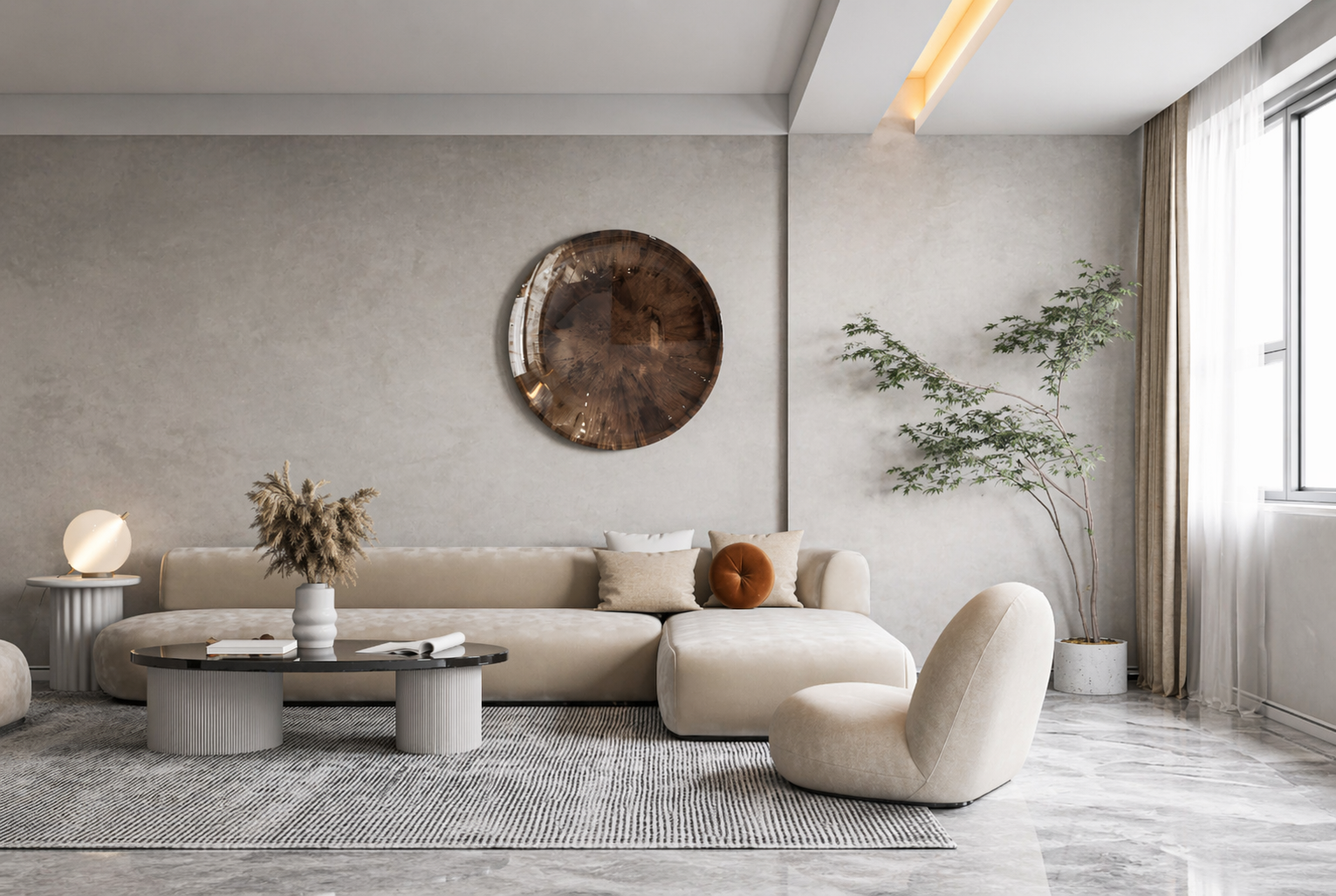
The design world moves fast, and the materials that define modern interiors are constantly evolving. Among the most exciting developments in recent years is the rise of ultra-thin tile surfaces that bring together beauty, practicality, and engineering precision in a single product. If you have been exploring surface options for a new project, you have likely come across the work of a slim 3mm-thin tile manufacturer in India and wondered what the real-world difference is between these panels and conventional tiles.
The answer is substantial. Slim tile surfaces at 3mm thickness represent a genuinely different approach to cladding, flooring, and furniture finishing. They are lighter, more flexible, faster to install, and capable of achieving results that thicker tiles simply cannot match in certain applications. This article covers all of it, including the design benefits, practical advantages, ideal use cases, and why slim tiles have become a go-to specification for architects and interior designers across India.
What Exactly Are Slim Tiles and How Are They Made?
Slim tiles, as the name suggests, are tile panels produced at a significantly reduced thickness compared to conventional ceramic or stone tiles. While standard tiles range from 8mm to 20mm in thickness, slim tiles are typically produced at 3mm, making them a fraction of the weight and profile. They are manufactured using high-pressure sintering processes or by bonding ultra-thin natural stone slices to a polymer or fiberglass backing.
The materials used vary. Some slim tiles are made entirely from engineered ceramic or porcelain, while others use genuine natural stone surfaces backed with a stabilizing composite layer. In both cases, the result is a panel that is rigid enough to hold its shape during installation but thin enough to be applied to surfaces where conventional tiles would be impractical.
The manufacturing process demands a high level of precision. Consistency in thickness, surface flatness, and the integrity of the bond between the surface material and the backing are all critical to the final product’s performance. This is why sourcing from a reputable, technically capable producer makes such a significant difference to the quality of the finished installation.
The Design Benefits That Set Slim Tiles Apart
Design is the primary reason most people gravitate toward slim tiles in the first place. The visual impact of a seamless, large-format surface is something that conventional tiling rarely achieves. Here is why slim tiles perform so well from a pure design perspective.
Large Format Panels Create Seamless Visual Flow
One of the most distinctive qualities of slim tile panels is their ability to cover large surface areas with minimal grout lines. The visual continuity this creates makes rooms feel larger, cleaner, and more cohesive. In spaces where a calm, uninterrupted surface is the design goal, slim tiles deliver results that smaller conventional tiles simply cannot.
Modern Interior Slim Tile Designs Offer Exceptional Variety
The range of finishes, textures, and surface effects available in modern interior slim tile designs has expanded dramatically in recent years. Today, you can find slim tiles that mimic the appearance of natural stone, concrete, wood grain, metal, and leather, all with the durability and practicality of a sintered or composite panel. This versatility allows designers to achieve almost any aesthetic brief without being constrained by material weight or installation complexity.
Surface Continuity Across Multiple Applications
Because slim tile panels can be used on floors, walls, ceilings, and furniture surfaces alike, it becomes possible to carry a single surface material through an entire interior. This kind of material continuity creates a sense of deliberate design that elevates the overall feel of a space. It is a technique used frequently in high-end residential and hospitality interiors, and slim tiles make it achievable without the structural complications that full stone cladding would create.
Why Lightweight Slim Tiles for Cladding Make Practical Sense
The practical case for lightweight slim tiles for cladding is compelling. Weight affects almost every aspect of a cladding project, from structural requirements and transportation costs to installation speed and long-term load on the building. Reducing the weight of the cladding material without reducing its visual quality is genuinely valuable.
Here is how the weight advantage plays out in practice:
- No structural reinforcement required: Standard wall structures in apartments, offices, and commercial buildings can accommodate slim tile cladding without the need for additional structural support. This is not always the case with heavier stone or ceramic cladding, particularly on upper floors.
- Renovation without demolition: Slim tiles can often be applied directly over existing surfaces, including old tiles, painted walls, and plywood. This eliminates the cost and disruption of removing existing finishes, which is a major advantage in renovation projects.
- Lower transportation and handling costs: Lighter panels cost less to ship and require fewer people to handle on site. For large-scale projects, this can represent a meaningful saving.
- Suitable for high-rise applications: In multi-storey buildings where cumulative load is managed carefully, lightweight cladding panels are the safer and more practical specification.
- Ceiling and overhead installations: Full-weight stone or ceramic tiles are rarely used on ceilings due to the load and safety risks. Slim tiles open up ceiling cladding as a realistic option for both residential and commercial spaces.
Slim Tiles for Commercial Spaces: A Natural Fit
Commercial interiors have specific demands that residential projects often do not. Foot traffic is higher, maintenance windows are shorter, the visual impact needs to be immediate and lasting, and the materials used need to perform consistently over many years without significant upkeep. Slim tiles for commercial spaces address all of these requirements effectively.
Hotels and Hospitality Environments
Hotel lobbies, corridors, guest rooms, and restaurant spaces all benefit from the large-format, seamless quality that slim tiles deliver. The variety of surface finishes available means designers can achieve a premium, tailored look without compromising on the durability the environment demands. Slim tiles also simplify the refurbishment cycle, since new panels can often be applied over existing surfaces when the time comes to update the interior.
Retail and Showroom Environments
In retail design, the environment is part of the brand. Slim tile surfaces in retail and showroom fit-outs create a clean, premium backdrop that allows products to stand out. The visual consistency of large-format panels with minimal grout lines is particularly effective in jewellery stores, fashion boutiques, automotive showrooms, and technology retail environments.
Corporate Offices and Co-working Spaces
The modern workplace has moved well beyond the era of plain painted walls and standard ceramic floors. Slim tiles in feature walls, reception areas, breakout zones, and meeting rooms contribute to an atmosphere that feels designed with intention. This is increasingly important for companies looking to attract talent and communicate their brand values through their physical environment.
Installation Advantages Over Conventional Tiles
The installation process for slim tiles is meaningfully faster and less disruptive than conventional tile installation. Here is a comparison of the key differences:
- Cutting: Slim tiles can be cut with standard tools, including angle grinders, jigsaw blades, or wet tile saws. The reduced thickness makes cutting faster and cleaner than working with thicker tiles.
- Adhesive and bedding: A thinner tile requires less adhesive and a thinner mortar bed, which reduces both material cost and drying time.
- Grouting: Large-format slim tiles are designed to be installed with minimal grout lines, which reduces grouting time and produces a cleaner, more contemporary finish.
- Overlay installation: One of the most time-saving advantages is the ability to install slim tiles directly over existing surfaces, eliminating the need to remove old tiles or finishes before installation begins.
- Weight on site: Lighter panels are safer and easier to maneuver on site, reducing the risk of handling-related breakage and physical strain on installation teams.
Why Sourcing from the Right Manufacturer Matters
The quality of slim tiles varies considerably depending on the manufacturer. Working with a reliable slim tiles 3mm thin manufacturer in India ensures that the product you receive is consistent in thickness, surface quality, and backing integrity. Inconsistent panel thickness causes problems during installation, uneven surfaces after bonding, and visible variations in the finished result.
There are several things worth checking when evaluating a manufacturer or supplier:
- Sample quality: Always request samples before placing a full order. Assess the surface finish, the backing bond, the flexibility, and the consistency of thickness across the sample.
- Technical documentation: A reputable manufacturer will be able to provide technical data sheets covering load ratings, compressive strength, slip resistance, and suitability for different environments.
- Range of finishes: Look for a manufacturer whose range includes a variety of textures, colours, and surface effects, so you have genuine design flexibility within a single product family.
- After-sales support: Installation guidance, maintenance recommendations, and responsive customer service are signs of a supplier who stands behind their product.
Bringing Modern Interior Slim Tile Designs to Life
The breadth of modern interior slim tile designs available today means there is a suitable option for virtually any design direction. Whether the project calls for the warm, organic character of a stone-effect finish or the cool precision of a concrete or metal look, slim tiles can deliver it in a format that is easier to work with than any of the materials they replicate.
Some design applications that are particularly well served by slim tiles include:
- Minimalist interiors: Large-format panels with subtle textures and muted tones create the clean, calm surfaces that minimalist design depends on.
- Biophilic design schemes: Stone and wood-effect slim tiles support the biophilic design trend by bringing natural material references into interior spaces without the maintenance challenges of actual wood or stone.
- Luxury residential spaces: High-end apartments and villas use slim tiles across bathrooms, kitchens, and living areas to achieve a cohesive, gallery-like quality that elevates the entire interior.
- Transitional spaces: Lobbies, corridors, and staircases that connect different zones within a building benefit from the visual consistency that large-format slim tile panels provide.
Conclusion
Slim tiles have earned their place at the forefront of modern interior design for very good reasons. They are lighter, more versatile, and easier to install than conventional tiles, while delivering surface quality and design variety that meets the expectations of the most demanding projects. Whether the application is a luxury apartment bathroom, a hotel lobby, a retail fit-out, or a corporate reception, slim tiles consistently deliver a result that looks considered, refined, and genuinely contemporary.
The growth in demand for lightweight slim tiles for cladding across India reflects a broader shift in how designers and clients think about materials. The old trade-off between beauty and practicality no longer applies. With slim tiles, you genuinely get both, and at a cost and complexity level that makes them accessible to a much wider range of projects than full stone or conventional ceramic cladding.
For those ready to explore what this material can do for their next project, Earth Stone Global offers a curated range of slim tile surfaces that combine precision manufacturing with design versatility, giving architects and interior designers the quality and consistency their projects deserve.
Frequently Asked Questions:
- What is the key advantage of sourcing slim tiles from India?
Lower costs and faster delivery with easier communication. Also allows direct quality checks and strong supplier relationships. - Are slim tiles suitable for exterior facades?
Yes, if they are rated for outdoor use and properly installed. Their lightweight nature makes them ideal for facades. - How durable are slim tiles for commercial spaces?
They are highly durable and resistant to scratches and stains. Suitable for most high-traffic areas with proper specifications. - Can slim tiles be installed over existing tiles?
Yes, if the surface is stable and well-bonded. This reduces renovation time and cost significantly. - What finishes are available in slim tiles?
Options include matte, polished, textured, and more. Designs can mimic marble, wood, concrete, and other materials.