
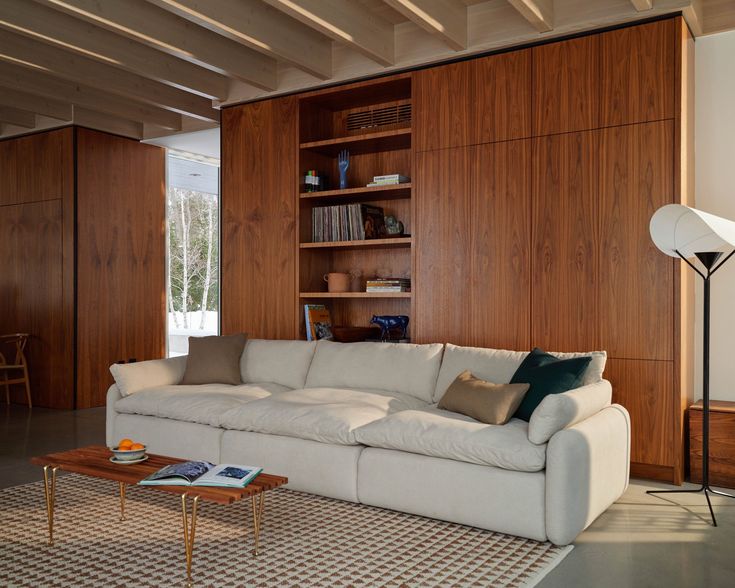
There is a moment in every design project when a client walks into a finished space and runs their hand along a wall. They are not checking the installation. They are responding to the material itself. That instinctive, tactile response is what wood has always delivered in interior design, and it is what no synthetic alternative has convincingly replicated. The problem has never been the appeal of wood. It has always been the practical limitations of using it. Weight, warping, humidity sensitivity, and structural requirements have constrained where and how solid timber can be used in luxury American interiors. Flexiwood addresses every one of these constraints directly, delivering authentic wood aesthetics with a performance profile that opens up design possibilities solid timber simply cannot reach.
Across the United States, interior designers, architects, and luxury homeowners are increasingly specifying flexi wood for feature walls, curved ceilings, hotel lobbies, retail environments, and high-end residential spaces where the combination of genuine wood character and practical installation performance matters. This blog examines exactly how flexi wood improves both aesthetic quality and long-term durability and why it has become a preferred material choice across America’s most demanding luxury interior projects.
The Aesthetic Qualities That Make Flexiwood Stand Apart
Real Wood Grain That No Synthetic Can Replicate
The fundamental aesthetic difference between flexi wood and wood-effect laminates or vinyl panels is that flexi wood is genuine wood. The surface grain, color variation, and texture are natural because the material is derived from real timber processed into a thin, flexible form. Every sheet carries the unique character of the timber species it came from, which means no two installations look exactly alike, even when using the same color reference.
This authenticity registers immediately in a finished space. A luxury residential feature wall in walnut flexiwood carries the same depth, warmth, and visual complexity that solid walnut paneling would, without the structural weight, the milling complexity, or the moisture risk that makes solid hardwood impractical across much of the residential market. For designers whose clients can tell the difference between real and simulated materials, this distinction is not a detail. It is the entire value proposition.
A Colour and Texture Range Built for Every Luxury Interior Direction
The flexible wood veneer category has matured significantly over the past decade. Where early products offered a limited range of basic wood finishes, today’s quality flexi-wood ranges cover the full breadth of luxury interior design directions active in the American market.
Warm amber and honey finishes suit the organic, biophilic interiors that dominate luxury residential design in California’s coastal markets. Deep wenge and reddish-brown finishes serve the darker, more dramatic direction that characterizes high-end New York hospitality and retail fit-outs. Chestnut and light iroko tones address the transitional residential market where warmth matters but drama does not. Cooler options in light grey and maple suit the Scandinavian-influenced interiors popular in wellness spaces and premium co-working environments. This range makes flexi wood specifiable across virtually every brief in the luxury interiors sector without compromise.
Surface Texture That Responds to Light Across the Day
One of the most compelling aesthetic qualities of natural wood surfaces is the way their texture responds to changing light conditions. In morning light, the grain sits quietly. In the afternoon raking light, the texture comes alive. In evening warmth, the depth of color intensifies. Flexi wood carries this quality because its surface is the natural grain of real timber, not a photographic reproduction of it.
This light responsiveness is what makes a wood feature wall feel alive in a room over time, rather than simply looking good in the design specification photograph. For luxury residential clients who live in their spaces and experience them across the full day and evening cycle, this quality is a significant part of what justifies the material investment. No vinyl or laminate panel, regardless of how realistic its photographic print appears on a specification sheet, delivers this experience in the finished room.
Why Flexi Wood Outperforms Solid Timber on Durability in Real-World Conditions
The Structural Limitations That Make Solid Timber Vulnerable
Solid hardwood is dimensionally unstable. Timber expands in humidity and contracts as conditions dry out. Over years of seasonal cycling through American climate conditions, particularly in high-humidity coastal markets like Miami and the Gulf Coast or the extreme temperature ranges of the Midwest and mountain West, solid wood panels move, cup, crack, and separate at joints. The installation methods required to manage this movement add cost and complexity, and they still do not eliminate the problem entirely.
High-value hospitality and luxury retail environments are particularly affected by these limitations because they run HVAC systems that create consistent low-humidity interior environments that accelerate timber drying and movement. A luxury hotel that installs solid timber feature walls in guest corridors or lobby spaces may see those panels develop visible gaps and surface checking within three to five years of installation, requiring costly maintenance that disrupts guest experience and hotel operations.
How Flexi Wood’s Construction Addresses These Vulnerabilities
The construction of quality, durable wood panels in the flexi wood category addresses timber’s structural vulnerabilities at a fundamental level. The thin wood layer in flexi wood is bonded to a flexible backing material, typically fiberglass or a polymer composite, that stabilizes dimensional movement significantly compared to solid timber of equivalent thickness. The result is a wood surface that maintains dimensional stability across a broader range of humidity and temperature conditions than solid timber can.
For interior applications in coastal markets, high-humidity hospitality environments, and commercial spaces with variable HVAC conditions, this stability advantage is materially significant. A flexi-wood installation in a Miami Beach boutique hotel guest room will maintain its appearance across seasonal cycles that would cause visible problems in equivalent solid-timber paneling. For luxury project specifications where 10 to 15-year performance is the expectation rather than the aspiration, this durability advantage is a decisive factor.
Where Flexi Wood Delivers Its Greatest Aesthetic and Durability Advantage
Luxury Residential Feature Walls and Architectural Ceilings
The feature wall and architectural ceiling are the two surfaces in a luxury residential interior where material quality is most visible and most evaluated. In both applications, flexi wood delivers aesthetic excellence that competes with solid timber while solving the practical problems that make solid timber difficult to specify for both.
On ceilings in particular, solid timber faces load limitations that require structural intervention in most residential settings. A full-height living room ceiling in walnut flexi-wood panels adds nothing to the structural load of the ceiling system and can be installed by an adhesive application method that a skilled contractor completes in a fraction of the time that solid timber ceiling paneling would require. The visual result is virtually indistinguishable from solid timber at the distances from which ceilings are viewed in residential spaces.
Boutique Hospitality: Where Aesthetics and Durability Must Both Win
Luxury hotels and boutique hospitality properties face a specific challenge that most residential projects do not: they need their interiors to look pristine under daily high-traffic use for extended periods between refurbishments. A boutique hotel that refurbishes guest spaces every 8 to 10 years cannot afford wall materials that require significant maintenance interventions in years 3 or 4. The durability of the wall surface material is as commercially important as its initial visual quality.
Flexi wood’s combination of genuine wood aesthetics and improved dimensional stability relative to solid timber makes it specifically well-suited to hospitality applications. The material looks as premium as solid timber at installation and maintains that appearance significantly longer under the temperature-controlled, humidity-managed HVAC conditions that characterize American hotel environments. For hospitality designers and hotel operators, this combination reduces the lifecycle cost of premium wood aesthetics considerably.
High-End Retail: Tactile Luxury That Converts Browsers to Buyers
Premium retail design research in the United States consistently demonstrates that the material quality of a store environment directly influences customer dwell time, product perception, and purchase intent. A luxury fashion or jewelry retailer whose store features genuine wood surfaces creates a material environment that reinforces the premium positioning of the merchandise on display. A store that uses wood-effect vinyl or laminate creates a subtle but perceptible dissonance that undermines the luxury brand message.
Flexi wood in retail applications delivers genuine wood aesthetics on display plinths, checkout counters, shelving backs, and feature walls that support the luxury brand positioning authentically. Its durability under the physical contact that retail environments involve, particularly on surfaces that customers touch regularly, makes it a practical choice for commercial environments where wood veneer for interiors must look impeccable for years of consistent daily use.
Conclusion
The question that drives material selection in luxury interior design is never simply which product looks best. It is the product that looks best, performs reliably over the project’s expected lifecycle, installs within the budget and timeline available, and meets the practical requirements of the specific application environment. Flexi wood answers all four of these questions in a way that solid timber cannot, which is precisely why it has moved from a niche specification into a mainstream luxury interior material choice across the United States.
For architects, interior designers, and luxury space owners who want the authentic warmth and visual depth of real wood with the design flexibility, installation practicality, and long-term durability that demanding luxury applications require, Earth Stone Global offers a proven wood veneer for interiors solution built to meet the standards of America’s most discerning design market. Explore the full Flexi Wood color range and request samples at earthstoneglobal.com.
Frequently Asked Questions (FAQs)
1. What makes flexiwood more durable than solid timber in luxury interior applications?
Its flexible backing reduces warping, cracking, and expansion caused by humidity changes.
2. Is flexible wood veneer real wood or a synthetic material?
It is made from real natural wood bonded to a flexible backing.
3. What luxury interior applications benefit most from flexi wood?
Feature walls, ceilings, hotels, retail spaces, spas, and offices benefit the most.
4. How does flexi wood compare to traditional timber in installation cost?
It is more affordable and faster to install than traditional timber.
5. Can flexiwood be used in high-humidity areas like bathrooms and coastal properties?
Yes, when properly sealed, it performs well in humid environments.