
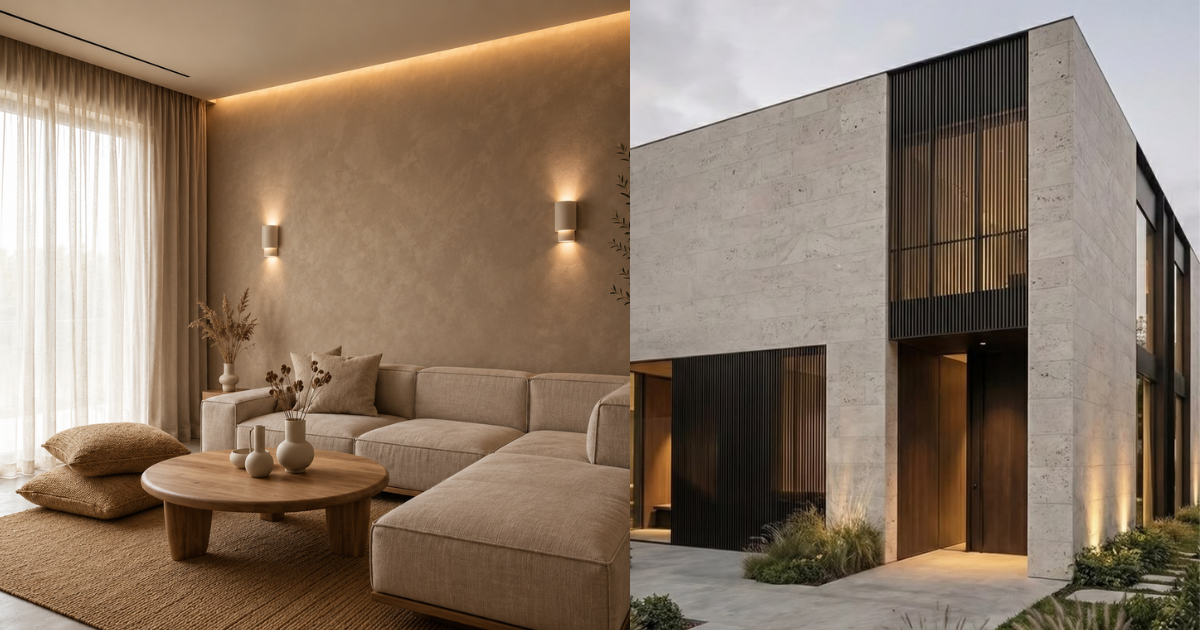
Choosing the right facade material can make or break a project’s budget, timeline, and long-term performance. Architects and contractors across the US are increasingly comparing 4 mm stone board vs HPL & ACP stone board options before finalizing exterior finishes.
Each material promises durability and style, but the real difference shows up in weight, installation cost, and maintenance over time. This guide breaks down how a 4mm stone board compares to traditional HPL and ACP panels, so you can choose the most efficient exterior wall cladding material for your next build.
On paper, all three materials look like reasonable choices for a modern facade. Once you factor in shipping weight, fire ratings, and ten-year upkeep, the numbers start to tell a very different story.
This matters most on tight construction schedules, where crews need a material that installs fast, ships easily, and still meets local code requirements for height, fire rating, and weather exposure.
The Rise of Lightweight Stone Cladding Panels in Modern Facades
Builders are moving away from bulky slabs toward thinner, engineered surfaces, choosing thin panels that deliver the same natural texture as quarried stone at a fraction of the weight.
A standard 4mm stone board weighs around 3.5 to 4 kilograms per square meter. Compare that to natural stone slabs, which often exceed 25 kilograms per square meter, and the efficiency gain becomes clear.
This weight reduction lowers transport costs, reduces the load on structural framing, and speeds up installation on both new builds and renovation projects.
Designers also get more freedom with pattern layout, since large-format sheets can be cut into custom panel sizes without the cracking risk that comes with heavier stone tiles.
Hospitality and retail projects in particular benefit from this shift, since teams can update a storefront facade over a weekend instead of shutting a location down for weeks of heavy-slab installation.
How a Flexible Stone Panel Reduces Structural Load
A thin, bendable stone sheet flexes slightly during handling, which means it can be shipped rolled or stacked flat without cracking. This flexibility lets installers wrap columns and curved facades without extra fabrication work.
For a mid-size commercial building, switching from heavy stone to a flexible panel format can cut facade dead load by more than 80 percent, easing pressure on the support structure and foundation.
On a recent five-story renovation, crews reported finishing wall sections nearly twice as fast simply because two workers could carry and position a full sheet without a crane or lift.
Stone Veneer Board vs HPL Cladding: An Efficiency Comparison
A veneer-style stone sheet and an HPL sheet may look similar from a distance, but they perform very differently once installed. When you set a 4mm stone board vs. an HPL & ACP stone board side by side, three factors decide the winner: weight, installation speed, and total cost of ownership.
Contractors bidding US commercial jobs usually price out all three materials before locking in a spec, since even small differences in labor hours add up fast on larger elevations.
Weight, Installation Speed and Fire Performance Compared
The numbers tell the story clearly:
- 4 mm stone board: about 4 kg per square meter, fixed with adhesive or mechanical clips; roughly 40 square meters installed per day.
- HPL cladding at 8 mm: 12 to 15 kg per square meter usually needs an aluminum subframe, which slows down fixing time.
- ACP cladding at 4mm: about 5.5 kg per square meter, but standard polyethylene cores carry a higher fire risk.
At Earth Stone Global, every 4mm stone board is manufactured directly from quarried natural stone, keeping thickness and finish consistent across large export orders.
On a 500 square meter facade, this weight difference can reduce structural steel requirements by several tonnes, translating into real savings on foundation and framing costs.
Why It Works as a Dependable HPL Cladding Alternative
Because a 4mm stone board is made from real mineral material, it does not carry the same fire load as polyethylene-core ACP panels. It also resists the delamination and fading that HPL sheets can develop after years of UV exposure.
Unlike laminate sheets, stone veneer does not require edge sealing to prevent moisture swelling, which cuts down on maintenance callbacks over the life of the building.
Over 10 years, buildings finished in engineered stone typically report lower repainting and resealing costs than those clad in HPL, based on maintenance logs shared by facade contractors.
Why This Material Works as a Reliable ACP Cladding Alternative
Earth Stone Global has spent decades sourcing and cutting natural stone into thin, workable formats, giving architects the metal-free, authentic finish that aluminum panels cannot fully replicate.
Fire codes in many US states are tightening around combustible core materials in high-rise facades. A mineral-based board sidesteps that conversation entirely, since it contains no plastic or polyethene core.
Insurance underwriters are also paying closer attention to facade materials after several high-profile cladding fires abroad, which has pushed more specifiers toward non-combustible options.
Cutting and Shaping for Curved Building Facades
For projects needing curved facades, the 4mm stone board bends around gentle curves while keeping the authentic stone finish that aluminum panels cannot replicate.
Fabricators cut and shape these boards on-site, reducing wait times compared to custom-molded ACP profiles that need factory tooling and long lead times.
A typical sheet can flex to a bend radius of roughly 1.5 meters without stress cracks, which covers most rounded columns, bay windows, and lobby feature walls.
Choosing the Right Exterior Wall Cladding Material for Your Project
Picking the right facade material comes down to climate, building height, and design goals. For high-rise facades where every kilogram matters, a 4 mm stone board vs HPL & ACP stone board comparison usually favors the stone board on weight and appearance.
For budget-driven commercial strips where speed matters most, ACP still holds an edge on raw material cost, though it trades away the natural texture that stone offers.
Coastal projects in states like Florida and California also need to factor in salt air corrosion, which affects aluminum-faced ACP far more than mineral-based stone board.
For inland projects facing wide temperature swings, thermal expansion also matters. Stone board expands and contracts far less than aluminum panels, which lowers the risk of joint gaps opening up over time.
Where Stone Veneer Board Outperforms in US Climates
In regions with heavy freeze-thaw cycles, this material resists cracking better than HPL, since it is not built from layered paper and resin. It also handles UV exposure in sun-heavy states like Arizona and Florida without fading.
This makes a flexible stone panel format a practical choice for renovation projects where deadlines are tight and scaffolding time is limited.
Property owners planning a 15 to 20-year hold period often find the slightly higher upfront cost of stone board pays back through fewer repairs and a facade that keeps its original look.
Final Word: Making the Efficient Choice
When you weigh a 4 mm stone board vs HPL and ACP cladding side by side, the stone board consistently wins on weight, fire performance, and long-term appearance. It functions as both a dependable HPL cladding alternative and a strong ACP cladding alternative, while giving facades the authentic texture that manufactured panels cannot fully copy.
For architects and contractors sourcing lightweight stone cladding panels in bulk, Earth Stone Global supplies 4mm stone boards manufactured directly from natural stone, with consistent thickness and finish across large export orders.
Whether you are specifying a new build or planning a facade upgrade, comparing these materials on real numbers, not just first impressions, is the surest way to land on an efficient, long-lasting result.
Frequently Asked Questions
1. Is a 4 mm stone board heavier than ACP cladding?
No, a 4mm stone board weighs about 4 kg per square meter, close to or lighter than standard 4mm ACP panels.
2. Can a 4 mm stone board be used on curved facades?
Yes, it flexes to a bend radius of roughly 1.5 meters, making it suitable for columns and rounded walls.
3. Does a stone board need a sub-frame like HPL cladding?
No, most installations use adhesive or mechanical clips directly, skipping the aluminum sub-frame HPL often requires.
4. Is a 4 mm stone board fire safe compared to ACP?
Yes, since it is made from mineral stone rather than a polyethylene core, it carries a lower fire load.
5. How long does a 4 mm stone board last outdoors?
With proper installation, it typically holds its finish for 15 to 20 years with minimal maintenance.