
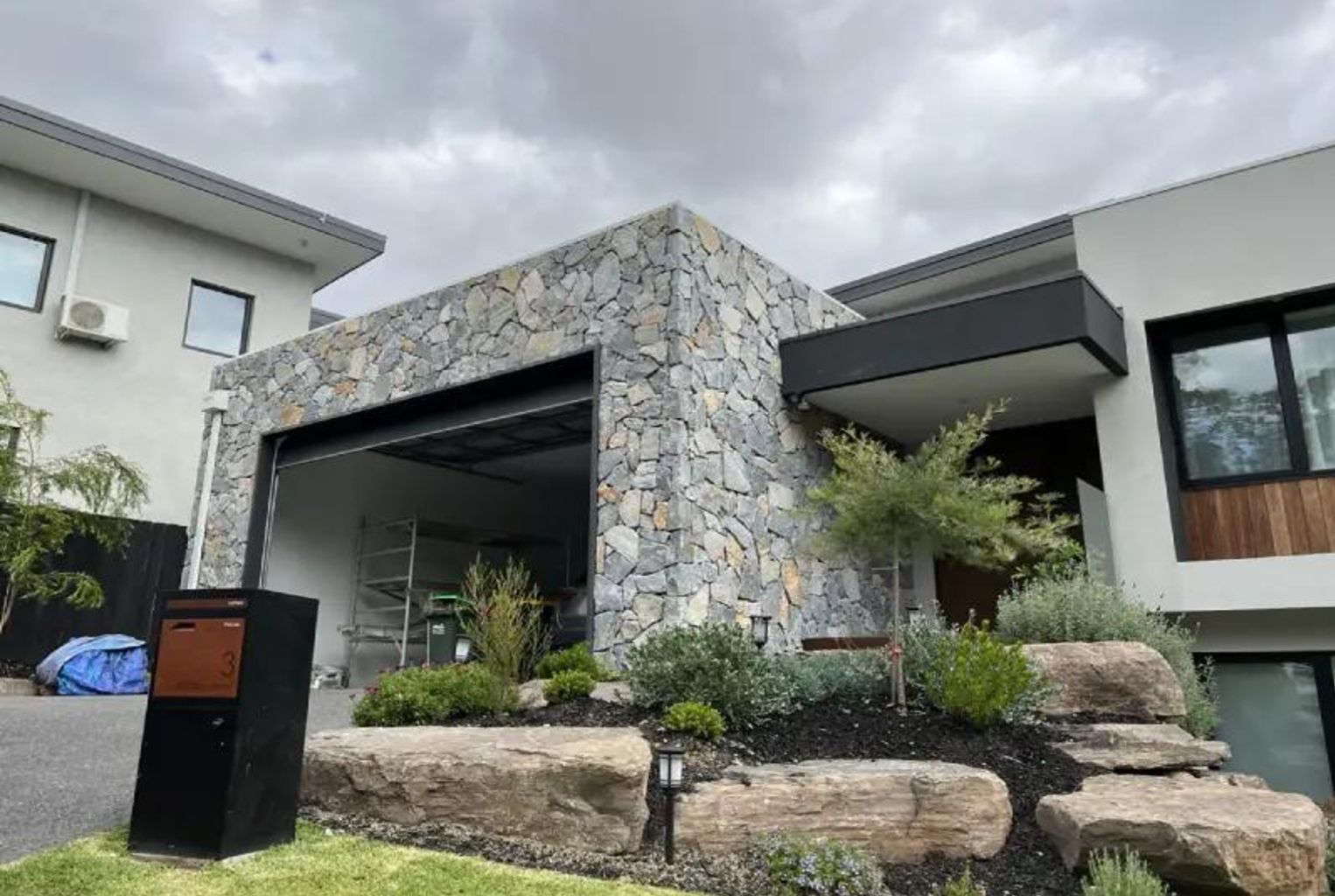
Picking the right material for a home project is rarely straightforward. You want something that looks exceptional, holds up over time, fits your budget, and does not turn your home into a construction site for months. This is exactly why so many homeowners, architects, and interior designers across the country are now recommending flexible natural stone veneer in India as the material that ticks every single one of those boxes.
Stone veneer is not a new concept, but the modern version of this material is a significant leap forward from what was available even a decade ago. It brings the authentic beauty of real stone into spaces that traditional cladding could never reach, all while being lighter, easier to handle, and far less expensive to install. If you have been wondering whether stone veneer is the right call for your upcoming project, here are seven reasons that will help make your decision clear.
1: You Get the Real Thing, Not a Simulation
There is a fundamental difference between a surface that looks like stone and a surface that actually is stone. Printed porcelain, vinyl wraps, and textured paint all attempt to imitate the appearance of natural stone, and none of them fully succeed. The grain is too uniform, the texture too shallow, and the overall effect just slightly off to anyone who has seen the real thing up close.
Stone veneer is genuine stone, quarried from the earth and cut to a thin profile so it can be applied like a sheet material. Every vein, every mineral deposit, every surface variation is exactly as nature formed it. That is something no manufactured product can replicate, and it is the core reason why stone veneer continues to be the preferred choice for clients who value authenticity in their interiors.
2: Its Lightweight Nature Opens Up a World of Possibilities
Conventional stone cladding is heavy. That includes the weight limits where it can go, what walls can support it, and how complex the installation needs to be. Stone veneer solves this problem entirely by reducing the thickness of the stone to between 1mm and 3mm, which cuts the weight down dramatically without changing the visual result.
This lightweight quality means you can apply stone veneer to surfaces that would never tolerate full stone cladding, including:
- Drywall and partition panels in apartments and offices
- Furniture surfaces such as headboards, tabletops, and wardrobe panels
- Curved walls and rounded columns where rigid stone would crack
- Ceiling panels and overhead architectural features
- High-rise residential units where structural load is closely managed
For renovation projects in particular, where removing old walls or strengthening structures would be prohibitively expensive, this weight advantage is a genuine game-changer.
3: Natural Slate Gives Your Walls a Character Nothing Else Can
Among the many stone types available in veneer format, slate holds a particularly special place. Its naturally layered surface creates a depth of texture that photographs beautifully and feels even better in person. When you buy natural slate wall veneer in India, you are choosing a material that works equally well in rustic, industrial, and contemporary settings, which is a level of versatility very few materials can claim.
Slate comes in a rich range of natural tones, including charcoal, graphite, olive green, rust brown, and deep black. These colours are consistent enough to create a cohesive wall but varied enough to keep the surface visually interesting from every angle. It is particularly popular in feature walls behind sofas, in restaurant fit-outs, and in bathrooms designed to feel like private retreats.
4: Limestone Veneer Brings Quiet Elegance to Any Interior
If slate is bold and textured, limestone is its calm, refined counterpart. The natural stone sheet limestone in India ranges, offering soft creamy whites, warm beiges, and muted tawny tones that create a sense of light and space in any room they are used in. Limestone veneer is a favourite among interior designers working on living rooms, hotel lobbies, and premium office spaces where the brief is warmth without drama.
One of the things that makes limestone particularly appealing in the Indian context is how well its colour palette works with the warm, natural light that floods most Indian interiors. It neither washes out in bright light nor feels cold and heavy in the evenings. It simply looks right, consistently and effortlessly.
5: Installation Is Fast, Clean, and Budget-Friendly
The installation process for stone veneer is one of its most underappreciated advantages. Traditional stone cladding requires specialist labour, heavy cutting machinery, extended installation times, and significant site disruption. Stone veneer cuts all of that down considerably.
How the Installation Process Works
- Prepare the surface: Clean, dry, and reasonably flat substrates work best. Stone veneer can be applied directly over plywood, MDF, concrete, drywall, and even existing tiles.
- Cut to shape: A sharp utility knife handles most cuts. No specialist equipment is needed, which keeps labour costs lower.
- Bond with adhesive: A flexible, polymer-compatible adhesive is applied to the back of the panel or the substrate before pressing into position.
- Allow to cure: Follow the adhesive manufacturer’s guidance on curing time before adding any load or finishing.
- Seal the surface: A good quality stone sealant protects the surface, enhances colour slightly, and makes day-to-day cleaning much easier.
6: It Works Indoors and Outdoors With Equal Confidence
A material that performs well in just one context has limited value. Stone veneer is genuinely effective across a wide range of environments, which is part of why it has become such a popular specification in both residential and commercial projects.
On the exterior, it is used for building facades, boundary walls, entrance columns, garden features, and retail shopfronts. On the interior, it covers living room accent walls, kitchen backsplashes, bathroom cladding, fireplace surrounds, and feature walls in hotel rooms and restaurants. With the right stone type and a suitable sealant, the same material can transition from the outside of your building to the inside with no loss of quality or consistency.
Those who want to buy natural slate wall veneer in India for outdoor use will find that slate is among the most weather-resistant stone types available, making it an excellent choice for exterior cladding in Indian climates where heat, humidity, and monsoon rains are ongoing considerations.
7: It Is a Long-Term Investment That Adds Real Property Value
Every material decision in a home project is also a financial decision. Materials that look good on installation day but need replacing within a few years are poor value regardless of their upfront cost. Stone veneer is different. It is a durable, stable material that retains its appearance over many years with minimal maintenance.
In the Indian property market, natural stone finishes consistently attract premium valuations. Buyers and tenants recognise the quality of real stone, and it reads as a signal of overall build quality and attention to detail. Whether you use natural stone sheet limestone in India for a feature wall in the living room or slate veneer across an entire bathroom, the investment translates directly into a more desirable and valuable property.
The broader appeal of flexible natural stone veneer also lies in how it holds up without high ongoing costs. Unlike painted walls that need repainting every few years, or laminate finishes that chip and peel with use, sealed stone veneer requires little more than an occasional wipe-down and periodic resealing to stay in excellent condition.
Conclusion
Stone veneer earns its place as one of the most compelling material choices available for home projects today. It is authentic, versatile, practical, and genuinely beautiful. It works across design styles and budgets, performs well indoors and outdoors, and adds lasting value to any property it is applied to. The combination of real natural material and modern engineering makes it a smarter option than almost any synthetic alternative.
Whether your brief calls for the layered texture of natural slate, the quiet warmth of limestone, or the crystalline shimmer of quartzite, stone veneer gives you access to the full range of natural stone in a format that is genuinely accessible. The seven reasons outlined in this guide are not abstract benefits. They are practical, real-world advantages that show up in every project where this material is used well.
If you are ready to take the next step, Earth Stone Global offers a curated range of natural stone veneer panels sourced for quality, consistency, and design versatility, giving your home project a foundation that is as beautiful as it is built to last.
Frequently Asked Questions:
- What makes flexible stone veneer different from tiles?
It is real stone in a thin, flexible form. Lighter and usable on curved or uneven surfaces. - Is it suitable for bathrooms?
Yes, when sealed properly, it resists moisture. It is easy to clean and maintain. - Can it be applied over existing walls?
Yes, if the surface is clean and stable. Ideal for quick renovations without removal. - Which stone is best for outdoor use in India?
Slate and sandstone are highly durable options. They handle heat, rain, and humidity well. - How to maintain stone veneer?
Clean with a soft damp cloth regularly. Reseal every 1–2 years for long-lasting results.