
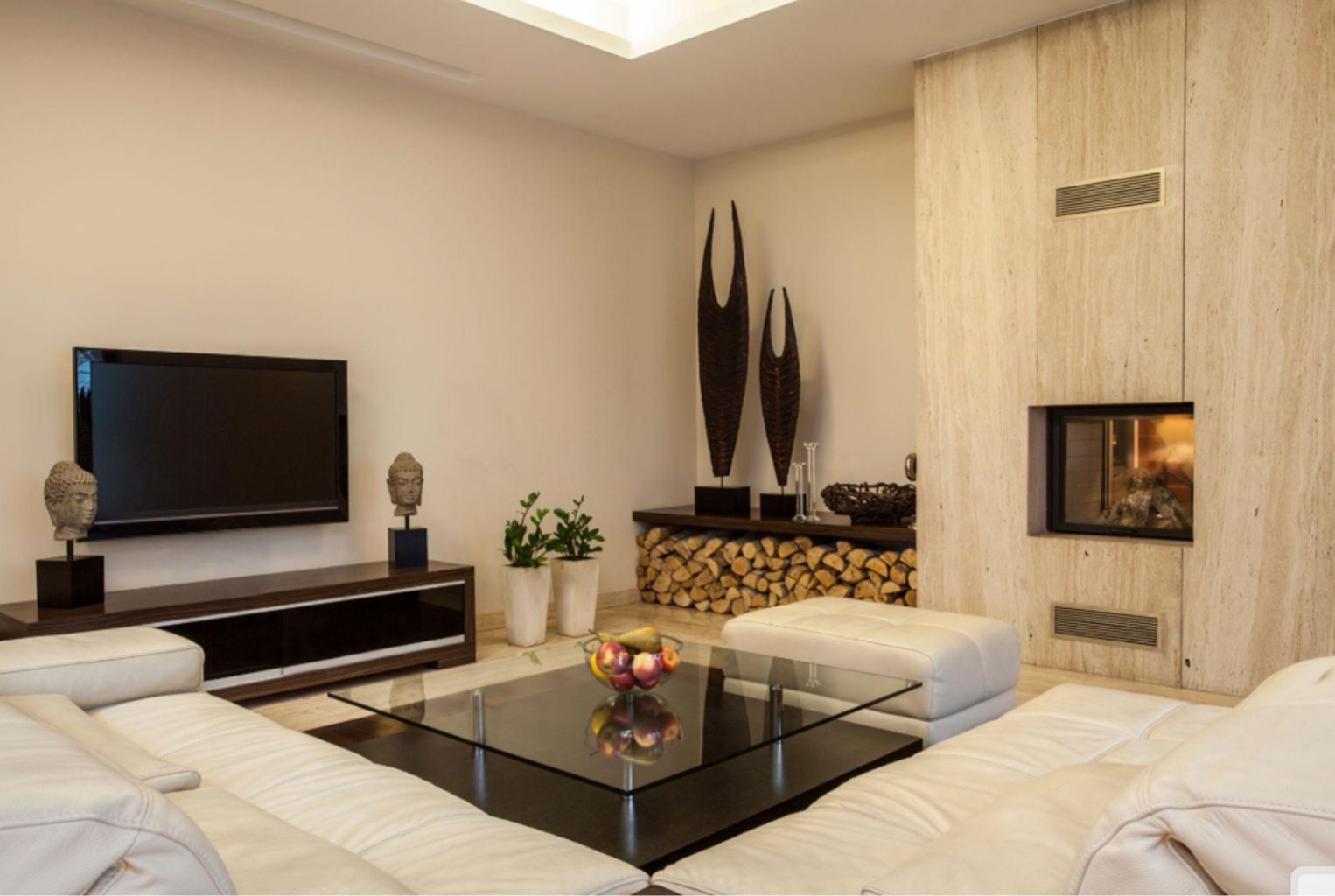
There is something about natural stone that never really goes out of style. It carries with it a sense of permanence, of depth, of character that manufactured materials simply cannot replicate. Yet for a long time, the sheer weight and cost of natural stone kept it out of reach for many interior projects, particularly for walls, ceilings, and furniture cladding. That is exactly where Polyclay travertine 2 mm thickness steps in and completely changes the conversation.
At just 2 millimeters thin, this innovative material gives you the authentic look and texture of real travertine without the structural compromises. Architects, interior designers, and homeowners across India are increasingly turning to this solution for both residential and commercial projects. If you have been exploring options for a refined, modern interior that still feels grounded in natural beauty, understanding what makes Polyclay travertine 2 mm thick stand out is well worth your time.
What Exactly Is Polyclay Travertine?
Travertine is a form of limestone that has been used in architecture for centuries. From ancient Roman monuments to contemporary luxury hotels, its warm, earthy tones and distinctive pitted surface have made it a timeless design choice. Traditional travertine slabs, however, come with practical limitations. They are heavy, brittle, and require significant structural support, making them difficult to use on vertical surfaces or curved architectural forms.
Polyclay travertine is a next-generation material that bonds a genuine, ultra-thin slice of natural travertine stone onto a flexible polymer clay backing. The result is a 2 mm polyclay travertine sheet that retains every vein, pore, and color variation of the original stone while being lightweight, bendable, and easy to handle. It is real stone, just reimagined for the demands of modern design.
Why 2mm Thickness Is the Sweet Spot
When it comes to thin stone panels, thickness is not just a number. It directly affects workability, weight, flexibility, and the finished look. Here is why 2mm hits the right balance for most interior applications:
Lightweight Without Being Fragile
A 2mm panel weighs a fraction of traditional stone slabs. This means it can be applied to walls, ceilings, furniture, and even curved surfaces without adding significant load. Renovation projects especially benefit from this, since there is no need for structural reinforcement before installation.
Flexible Enough to Follow Curves
One of the most impressive qualities of the 2mm travertine wall panel format is its ability to flex around rounded columns, curved partitions, and contoured furniture. Traditional stone would crack under such conditions, but polyclay sheets can bend gently without compromising the surface integrity.
Sufficient Thickness for a Premium Feel
While thinner options exist, 2 mm provides enough surface depth to make the stone grain, texture, and natural color variations visible and tangible. The finish does not look printed or artificial. It looks and feels like what it actually is: genuine travertine.
Where Can You Use It in Modern Interiors?
The versatility of polyclay travertine panels is one of the biggest reasons designers are embracing them so enthusiastically. Here are some of the most popular and effective applications:
- Feature walls: Living rooms, hotel lobbies, and office reception areas benefit enormously from a full travertine feature wall. The warmth of the stone adds visual depth and a sense of luxury without overwhelming the space.
- Kitchen backsplashes: The natural porosity of travertine is sealed in polyclay sheets, making them suitable for areas that need occasional wipe-downs while still delivering that organic, artisanal look.
- Bathroom cladding: Spa-inspired bathrooms are a growing trend in Indian interiors. Polyclay travertine on bathroom walls creates that calm, resort-like atmosphere that many homeowners aspire to.
- Furniture wrapping: Tables, counters, headboards, and wardrobes can be clad in polyclay travertine to create bespoke furniture pieces that feel genuinely artful.
- Commercial fit-outs: Restaurants, boutiques, and co-working spaces use travertine cladding to create aspirational brand environments that communicate sophistication.
The Growing Demand for Thin Travertine Sheets in India
The Indian interior design market has matured significantly over the past decade. With a growing appetite for premium materials and global design aesthetics, products like thin travertine sheets in India have moved from being a niche import to a sought-after specification in high-end residential and commercial projects.
Several factors are driving this shift:
- Rising design literacy: Indian clients, particularly in metro cities, are increasingly well-informed about global material trends. They actively seek out options that reflect current international aesthetics.
- Sustainability awareness: Using less raw material per square meter means a smaller environmental footprint. Thin stone technology is inherently more resource-efficient than full-slab alternatives.
- High-rise construction constraints: In apartment buildings and high-rises, structural load is always a concern. Lightweight wall cladding solutions are far more practical for developers and individual flat owners alike.
- Renovation culture: Indians are increasingly renovating existing spaces rather than moving. Thin, lightweight cladding panels can be applied over existing surfaces without demolition, making upgrades far more accessible.
How Polyclay Travertine Compares to Traditional Alternatives
To really appreciate what polyclay travertine offers, it helps to compare it directly against the materials it often replaces:
Versus Full Travertine Slabs
Full travertine slabs are heavy, expensive to transport, and difficult to cut without specialist equipment. They cannot be used on curved surfaces and require reinforced substrates for vertical installation. The polyclay version eliminates all of these problems while delivering identical visual results.
Versus Porcelain Tiles With Stone Print
Printed porcelain tiles attempt to mimic stone but always carry a sense of artificiality. The pattern repeats, the surface feels cold, and up close the printed quality becomes apparent. A polyclay travertine sheet is genuine stone, and it shows in every detail.
Versus Wallpaper or Vinyl Stone Finishes
Vinyl and wallpaper finishes are cost-effective, but they age poorly, peel at edges, and never truly fool the eye of a discerning observer. Polyclay travertine, by contrast, is durable and retains its appearance over years of use.
Installation and Practical Considerations
One of the biggest advantages of the Polyclay travertine sheet 2-mm format is its ease of installation. While professional fitting is always recommended for the best finish, here is what the process generally involves:
- Surface preparation: The substrate should be clean, dry, and reasonably flat. Minor imperfections can often be accommodated, given the flexibility of the sheet.
- Adhesive application: A strong polymer-compatible adhesive is applied to either the wall or the back of the sheet. The panel is then pressed firmly into place.
- Cutting and trimming: These sheets can be cut with standard tools, including sharp utility knives or scissors, which drastically reduces the time and cost of installation compared to cutting conventional stone.
- Sealing: A sealant coat on the surface after installation enhances stain resistance and adds a subtle sheen if desired. Matte finishes can be maintained with a stone-safe flat sealant.
- Joints and finishing: Panels can be butted closely together for a near-seamless effect or fitted with slim grout lines depending on the design intent.
A Designer’s Perspective on Natural Stone in Contemporary Spaces
Modern interiors are increasingly defined by a tension between minimalism and warmth. On one side, clean lines and neutral palettes dominate. On the other hand, there is a growing desire for organic textures and materials that feel connected to the natural world. Travertine sits at the perfect intersection of these two impulses.
The 2mm travertine wall panel format allows designers to bring that earthy, ancient quality into spaces without compromising the lightness and airiness that contemporary design values. It pairs beautifully with brushed brass hardware, warm timber floors, linen textiles, and concrete ceilings. It also contrasts interestingly against darker elements like black steel frames and charcoal upholstery.
The availability of thin travertine sheets in India has opened a door that was previously only accessible to projects with very generous budgets. Today, a well-designed apartment, a boutique hotel room, or an independent restaurant can achieve genuine stone interiors at a fraction of what full travertine cladding would have cost just a few years ago.
This is one of the reasons Earth Stone Global has seen growing interest from interior designers, architects, and fit-out contractors looking for premium, dependable sources of polyclay stone panels. The market is evolving quickly, and those who specify these materials early are setting the standard for how sophisticated Indian interiors will look in the years ahead.
Conclusion
There is a reason Polyclay travertine, 2 mm in thickness, has become one of the most talked-about materials in contemporary interior design. It brings together the irreplaceable beauty of natural stone with the practicality that modern spaces genuinely need. It is lighter, more flexible, and more accessible than full stone alternatives, yet it delivers an authentic, tactile quality that no printed or synthetic material can match.
Whether you are fitting out a luxury apartment, designing a high-impact commercial space, or simply looking to elevate a single feature wall in your home, polyclay travertine deserves a serious look. The combination of genuine natural material, innovative engineering, and broad design applicability makes it one of the most intelligent choices available right now.
For those ready to explore this material further, Earth Stone Global offers a curated range of polyclay travertine panels designed to meet the expectations of discerning designers and clients who refuse to compromise on quality or authenticity.
Frequently Asked Questions:
- Is Polyclay travertine 2 mm suitable for bathrooms?
Yes, when properly sealed it works well in wet areas. The polymer backing adds extra water resistance. - How is it different from regular stone veneer?
It is lighter, flexible, and easier to install. It can also be used on curved surfaces. - What surfaces can it be applied to?
It works on plywood, MDF, drywall, tiles, and concrete. The surface should be clean and stable. - Where can I buy thin travertine sheets in India?
Available through trusted stone and interior suppliers. Choose vendors who provide samples and guidance. - How do I maintain these panels?
Clean with a soft damp cloth regularly. Reseal every 1–2 years for long-lasting finish.