
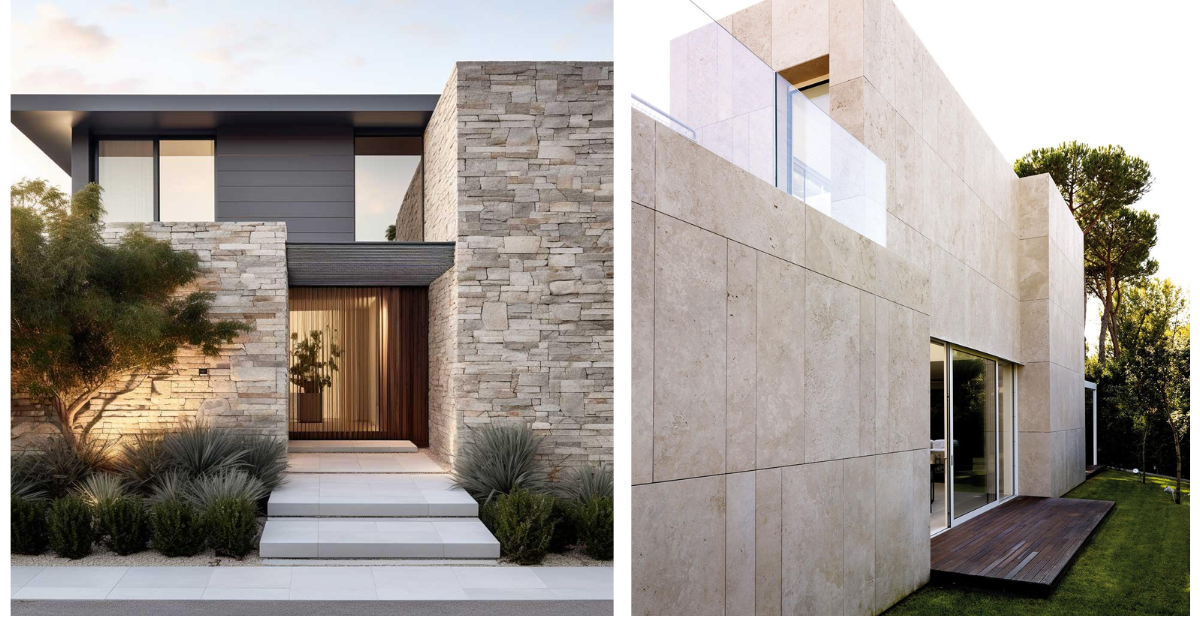
Choosing between stone veneer vs stone slab is one of the biggest decisions homeowners and designers face when planning a wall upgrade. Both materials come from the same natural stone, yet they behave very differently once they reach a job site. Slabs are heavy, thick, and demand serious structural support before installation can even begin. Veneer sheets are thin, light, and far easier to work with on almost any wall surface.
If you are weighing texture, budget, and installation time, understanding how these two options differ can save real money and real stress. This guide breaks down the practical differences so you can decide which one fits your walls, your timeline, and your design goals. We will walk through material composition, installation speed, weight, cost, and long-term performance, so you finish this article with a clear, confident answer rather than more questions.
What Is Natural Stone Veneer and How Is It Different from Stone Slabs?
Natural stone veneer is a thin cut of real stone, usually between 2mm and 10mm thick, sliced from the same quarry blocks used to produce full slabs. It carries the same mineral composition, colour variation, and grain as a thick slab, just in a far lighter format.
Stone slabs, by comparison, are cut much thicker, often 20mm or more, and weigh significantly more per square foot. A single slab of that size can weigh over 15 kg, while a veneer sheet covering the same area may weigh under 3 kg. That weight difference changes almost everything about handling, transport, and the type of wall that can support the finished surface. Even the tools change: slabs often need diamond wet saws and lifting equipment, while veneer sheets can be trimmed with a basic utility knife or wet tile saw on site.
At Earth Stone Global, every veneer sheet is cut from genuine quarried stone, so the texture and mineral character stay true to nature rather than being printed or replicated.
Thin Stone Veneer Explained in Simple Terms
A thin stone veneer panel is engineered to preserve the natural grain and color of quarried rock while cutting away most of the bulk. Manufacturers slice the stone into sheets thin enough to bend slightly around gentle curves, something a rigid slab simply cannot do. This makes veneer a practical choice for archways, rounded pillars, and other architectural details that would otherwise require expensive custom-cut slab pieces.
This thinness does not make the material fragile. Most thin veneer sheets are backed with fibreglass mesh or fabric, which adds tensile strength while keeping the overall weight low enough for one person to carry and position during installation.
Stone Veneer vs Natural Stone: Same Material, Different Form
When people compare stone veneer vs natural stone, they are usually comparing two forms of the exact same rock rather than two different products. Veneer is not a synthetic replica or a printed panel; it is real stone shaved down to a workable thickness for walls.
The main tradeoff is surface depth. A thick slab shows more three-dimensional relief and shadow, while a veneer shows a slightly flatter but still authentic stone face with the same natural veining.
Top Stone Veneer Benefits Homeowners Should Know
The list of stone veneer benefits starts with weight and ends with cost savings across the entire project. Because veneer panels are so light, they need little to no structural reinforcement, which can lower labor costs by 20 to 30 percent compared with slab installation on many residential jobs.
Veneer also cuts down transport expenses in a noticeable way. Shipping a pallet of thick slabs can cost three to four times more than shipping the same square footage in veneer sheets, simply because of the difference in weight. Suppliers such as Earth Stone Global source directly from their own quarries, which keeps veneer quality and thickness consistent even across large bulk orders. On an average 500 square foot wall project, this combination of lighter freight and faster labour can bring the total installed cost down by nearly a third compared with a full slab installation of the same design.
Lightweight Stone Cladding Makes Installation Easier
Lightweight stone cladding can usually be mounted using adhesive alone on interior walls, skipping the mortar beds, steel anchors, and mechanical fasteners that slabs typically require.
A two-person crew can install roughly 150 to 200 square feet of veneer cladding in a single day, compared with half that amount when working with heavy slabs. That speed translates directly into lower labour bills on both residential and commercial projects. On larger commercial builds, this time savings can shorten an entire project schedule by several days, which matters when contractors are working against tight deadlines.
Natural Stone Wall Panels Add Design Flexibility
Natural stone wall panels made from veneer can wrap columns, curved walls, and tight corners that thick slabs cannot follow without heavy cutting and material waste.
This flexibility also means fewer seams and visible joints, giving the finished wall a more continuous and natural appearance from a distance. Designers often choose veneer specifically for feature walls where a seamless look matters more than raw material thickness.
Exterior Stone Veneer Compared to Stone Slabs for Outdoor Walls
Outdoors, this comparison becomes even more important, since weather exposure and structural load both play a bigger role in the decision. Exterior stone veneer performs well in most climates when installed with the correct backing, flashing, and sealant, standing up to rain, sun, and temperature swings in much the same way a slab would.
Slabs still hold an edge in extreme structural applications, such as retaining walls or building foundations, where sheer mass and load-bearing strength matter more than weight savings. For a typical home facade, however, most homeowners find that veneer delivers the same curb appeal at roughly half the material and labor cost of a full slab installation.
Weather Resistance and Long-Term Durability Outdoors
Both materials share the same mineral makeup, so their resistance to fading, cracking, and general weathering stays nearly identical over a 10 to 15-year period of normal outdoor exposure.
The real difference shows up in repair costs down the line. A cracked veneer panel is far cheaper and faster to replace than a chipped slab section since it involves less material, lighter handling, and a shorter labor window.
Interior Stone Veneer Compared to Stone Slabs for Indoor Spaces
Interior stone veneer is the go-to choice for feature walls, fireplaces, and kitchen backsplashes where floor loading and wall thickness are limited by the building’s design.
Slabs remain popular for countertops and heavy-use horizontal surfaces, but for vertical walls, veneer delivers nearly the same visual impact at a fraction of the weight and installed cost. Many contractors now pair a slab countertop with a veneer backsplash on the same project, using each material where it performs best rather than choosing one for the entire space.
Where Each Material Fits Best in Your Home
Bedrooms, living rooms, and accent walls benefit most from veneer’s light weight and simple installation, especially in older buildings where structural capacity is already limited.
Kitchens and bathrooms can use either material, though veneer is often preferred for shower walls thanks to its thinner profile and more straightforward waterproofing detail around fixtures and drains.
Final Thoughts
Both slabs and veneer come from the same natural stone, so the real decision in the stone veneer vs stone slab comparison comes down to weight, budget, and where the material will be installed.
If you want the authentic look of natural stone without the structural demands of heavy slabs, veneer is usually the smarter choice for most wall applications. For quarry-direct panels backed by decades of stone industry experience, Earth Stone Global offers a wide range of veneer options suited to both interior and exterior projects.
Frequently Asked Questions
1. Is stone veneer as strong as a stone slab?
Yes, veneer panels use the same natural stone as slabs, offering comparable strength and weather resistance for most wall applications.
2. Does stone veneer look as authentic as a slab?
Yes, since veneer is real stone sliced thin, it retains the same natural color, texture, and mineral variation found in a full slab.
3. How much lighter is stone veneer compared to a slab?
A veneer sheet can weigh up to five times less than a slab of the same size, making it easier to install and transport.
4. Can stone veneer be installed on drywall?
Yes, most thin veneer panels can be adhered directly to drywall or plywood using a standard construction adhesive.
5. Is stone veneer suitable for both indoor and outdoor walls?
Yes, veneer works well for interior feature walls and exterior facades when installed with the right backing and sealant.