
Introduction
There is a continuous trend towards clean lines, light materials, and fast methods of constructing houses and commercial properties in the USA. Whether they are luxurious apartments in Miami, commercial offices in New York, or boutique hotels in Austin, the choice of material is being made taking into consideration aesthetics along with practicality. The material that is setting the trend is slim tiles.
Slim tiles are also referred to as thin porcelain tiles or ultra-thin tiles. These tiles are only 3mm to 6mm in thickness and thus are much lighter than conventional tiles, which have a thickness ranging between 8mm and 12mm. Although these slim tiles are thin, they offer excellent durability, a modern appearance, and varied usage for different kinds of places.
Some of the advantages offered by slim tiles include seamless interior decoration, reduction in weight, speed in installation, and savings on renovation costs. These advantages of using slim tiles make it worthwhile investing in them for new constructions or renovation purposes throughout the USA.
The Core Benefits of Slim Tiles That Make Them Worth Choosing
Lightweight Design That Changes What Is Structurally Possible
The most immediately practical of the benefits of slim tiles is weight. A standard 12mm porcelain tile for a wall or floor application carries a significant load per square meter. In high-rise residential buildings, commercial fit-outs on upper floors, and renovation projects where the existing wall substrate was not designed for heavy cladding, this weight creates structural complications that add cost and complexity to every installation.
Slim tiles at 3 mm to 6 mm thickness weigh considerably less. A 3mm slim panel covering the same square footage as a conventional 10mm tile imposes roughly 60 to 70% less load on the substrate. For a bathroom feature wall in a Manhattan high-rise, a hotel room cladding project on the 20th floor, or a kitchen backsplash in a historic building with original plaster walls, this weight reduction is not just a convenience. It is frequently the factor that makes the specification structurally viable in the first place.
Ultra-Thin Profile That Simplifies Renovation and Overlay Projects
Renovation projects across American homes and commercial spaces face a consistent challenge: removing existing tile or wall surfaces is expensive, messy, time-consuming, and structurally disruptive. Conventional replacement tile, at a comparable thickness to what was removed, provides no overlay advantage. Slim tiles change this equation completely.
At 3mm thickness, slim tiles can be applied directly over existing ceramic, porcelain, or smooth plaster surfaces without the demolition phase that conventional retiling requires. For a kitchen renovation in a Chicago townhouse or a hotel bathroom refresh in a Las Vegas resort property where room downtime costs revenue every night, the ability to overlay existing surfaces reduces project time and cost substantially. Industry estimates suggest that overlay installation using slim tiles reduces total project time by 30 to 50% compared to full demolition and re-tiling.
Slim Tiles for Home Interiors: Kitchens, Bathrooms, and Living Spaces
Kitchen Walls and Backsplashes Where Cleanliness and Aesthetics Both Matters
The American kitchen has become one of the most material-conscious spaces in the home. Countertops, cabinet finishes, and wall surfaces are all subject to close scrutiny from homeowners who spend significant time in the space and entertain in it regularly. Slim tiles for home interiors in kitchen applications deliver large-format surface coverage with minimal grout lines, which is both aesthetically cleaner and functionally easier to maintain than conventional grout-heavy tile layouts.
The non-porous surface of quality slim porcelain or ceramic tiles resists the cooking oils, sauces, and steam that kitchen walls are routinely exposed to. A stain or splash wipes off without penetrating the surface. There is no grout absorption to manage and no surface sealing required to maintain hygiene. For families with young children, passionate home cooks, and anyone who has spent time scrubbing discolored grout in a conventional tiled kitchen, this low-maintenance characteristic is a genuinely significant quality-of-life improvement.
Bathroom Walls and Floors Where Moisture Management Is Critical
Bathrooms are the highest-moisture environment in any residential or commercial building, and the surface materials used in them need to perform reliably over years of daily exposure to water, humidity, and cleaning products. The lightweight wall tiles in the slim tile category address bathroom applications with specific advantages that conventional tiles struggle to match.
The reduced weight of slim tiles makes floor installation safer in terms of structural load, particularly in older American homes where floor joists may have limited capacity for additional cladding weight. The large-format options, which allow a bathroom floor to be completed with fewer individual tiles and fewer grout lines, also reduce the overall grout surface area that accumulates mold and mildew over time. Less grout means less cleaning, less bleaching, and a bathroom that maintains its fresh appearance significantly longer between deep cleaning sessions.
Living Areas, Hallways, and Feature Walls Where Aesthetics Drive the Decision
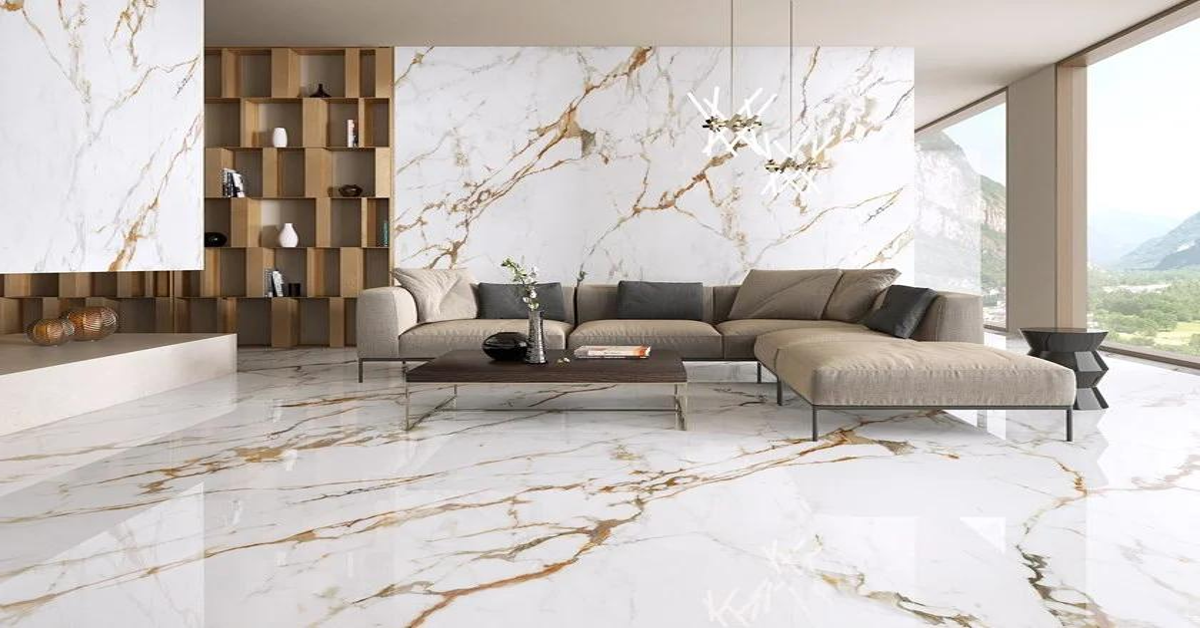
The residential design market in the United States has moved decisively toward natural material aesthetics over the past five years. Stone, marble, travertine, and concrete looks dominate luxury residential specifications. Slim tiles deliver these aesthetics with genuine scale: large-format panels that replicate the visual character of natural stone without the weight, the maintenance complexity, or the cost of genuine stone installation.
A living room feature wall in a large-format marble-look slim tile creates an architectural focal point that transforms the room’s character. A hallway floor in a concrete-effect slim tile provides the industrial-luxe aesthetic that contemporary American interior design has embraced. In both applications, the seamless appearance created by minimal grout lines and large panel sizes is something conventional tiling cannot replicate at equivalent cost.
Slim Tiles for Commercial Spaces: Why Hotels and Offices Are Specifying Them
Hotels and Hospitality Environments Where Longevity and Appearance Both Count
Boutique hotels, extended-stay properties, and luxury resort brands across the United States share a common challenge: their interior surfaces must look pristine under daily high-traffic use for 8 to 12 years between major refurbishments. Every surface specification decision is therefore a lifecycle investment, not just an aesthetic choice. Slim tiles for commercial spaces address this requirement directly.
The scratch resistance, impact tolerance, and surface durability of quality slim porcelain tiles make them well-suited to the physical demands of guest room corridors, lobby floors, bathroom walls, and restaurant dining areas. Their nonporous surface resists the food and beverage spills, cleaning chemical exposure, and foot traffic abrasion that commercial environments impose daily. A slim tile installation in a hotel bathroom that was correctly specified and installed can maintain its original appearance for a decade of commercial-intensity use with only routine cleaning.
Office and Coworking Environments Where Surface Design Communicates Culture
The modern American workplace has undergone a material transformation since 2020. Companies competing for talent and building brand culture through their physical environments invest in surface materials that communicate quality, thoughtfulness, and design intention. Reception areas, feature walls in boardrooms, bathroom finishes, and breakout zone surfaces are all surfaces that employees, clients, and recruits evaluate and respond to.
Slim tile feature walls in executive offices, reception areas, and meeting rooms deliver the premium material quality these environments require without the installation disruption of conventional stone cladding or the lead times of custom millwork. The lightweight wall tiles characteristic of slim tiles also simplifies installation in commercial floor plans where weight limits on raised access floors or demountable partition systems would rule out heavier wall materials.
Cost Efficiency, Sustainability, and Long-Term Value of Slim Tiles
Total Project Cost: Where Slim Tiles Save Money at Every Stage
The cost case for slim tiles is strongest when you calculate total project cost rather than comparing material price per square foot in isolation. The material price for quality slim tiles is competitive with conventional premium tiles. But the total project cost calculation includes installation labor, substrate preparation, demolition of existing surfaces (where applicable), adhesive and grouting materials, project timeline, and space downtime cost for commercial properties.
When all of these factors are included, slim tile installations consistently come in at lower total cost than equivalent conventional tile projects. Reduced installation time lowers labor costs. Overlay capability eliminates demolition costs entirely in renovation projects. Lighter weight reduces shipping costs per square foot. And the long service life of quality slim tiles reduces the frequency of replacement and refurbishment cycles that represent the largest lifecycle cost in any commercial interior specification.
Sustainability Credentials That Matter to Today’s US Homeowner and Developer
The American design and construction market has moved toward sustainability as a mainstream project requirement rather than a premium differentiator. LEED certification for commercial buildings, green building practices for residential development, and material sourcing transparency are all expectations that architects, developers, and informed homeowners bring to specifications today.
Slim tiles contribute to sustainability goals in several measurable ways. Their reduced weight lowers the carbon footprint of transportation compared to equivalent area coverage in conventional tile. The overlay capability eliminates the landfill contribution from demolished existing surfaces. Many quality slim tile products carry low-VOC certifications relevant to LEED and WELL building standard requirements. For green building projects and ESG-conscious commercial developers in the United States, these credentials are a meaningful differentiator.
Why Earth Stone Global Is the Right Source for Slim Tile Projects in the USA
Specifying slim tiles correctly begins with sourcing from a manufacturer with the technical precision, product range, and export reliability to support demanding American residential and commercial projects. Surface consistency between sheets, dimensional accuracy, color matching across large orders, and proper documentation for US commercial building specifications are all dimensions where supplier quality makes a decisive difference to project outcomes.
Brands like Earth Stone Global manufacture slim tile and natural surface products with decades of production expertise, shipping to the USA and international markets with a product range that covers stone, marble, travertine, and contemporary looks in slim tile format across multiple size options suitable for both residential and commercial applications.
Conclusion
The slim tiles are not theoretical advantages that only matter in specific edge cases. They are practical, measurable improvements in weight, installation time, project cost, maintenance requirements, aesthetic quality, and long-term surface performance that apply across the full range of American residential and commercial surface applications. From a kitchen renovation in a Brooklyn brownstone to a hotel lobby fit-out in Dallas, from a retail flagship in Beverly Hills to a corporate office in Seattle, slim tiles deliver results that conventional tiles cannot match at equivalent cost and timeline.
For homeowners, designers, builders, and commercial property owners in the USA looking for a slim tile source with proven quality and reliable international supply, Earth Stone Global offers a full slim tile range built to the standards that demanding US projects require. Explore the collection and request samples to see the quality difference for your next project.
Frequently Asked Questions (FAQs)
1. What are the main benefits of slim tiles compared to conventional tiles?
Slim tiles are lightweight, easy to install, cost-effective, durable, and require less maintenance.
2.Can slim tiles for home interiors be used in bathrooms and wet areas?
Yes, they are moisture-resistant and ideal for bathrooms and wet spaces.
3. Are slim tiles for commercial spaces durable enough for high-traffic areas?
Yes, quality slim tiles are durable and suitable for high-traffic commercial areas.
4. Can lightweight wall tiles be installed over existing tile or plaster surfaces?
Yes, they can often be installed directly over existing surfaces, saving time and cost.
5. What size options are available in slim tiles for large-format wall and floor applications?
They are available in standard and large-format sizes for seamless wall and floor designs.